
01 / Detection
Proven Protocols, Not a Visual Guess
Authenticity means more than a clean-looking label. We apply proven detection protocols that go well beyond the surface inspection most buyers rely on.

[ Trusted Partners ]
30 of 600+


















Counterfeit components are pervasive in the legacy parts market, especially when sourcing obsolete and hard-to-find parts. Because a single one can compromise a system, a certification, or a reputation. GID exists to catch it before it reaches your operation, so a sourcing decision never becomes a liability.


The complexity of the testing is the point. Effective counterfeit mitigation matches the scrutiny to the component rather than running everything through the same shallow check.


Provide the components requiring authentication, along with the context: where they’re headed and what’s riding on them.

We determine the appropriate testing approach for the component type, because a power module and a processor don’t warrant the same checks.

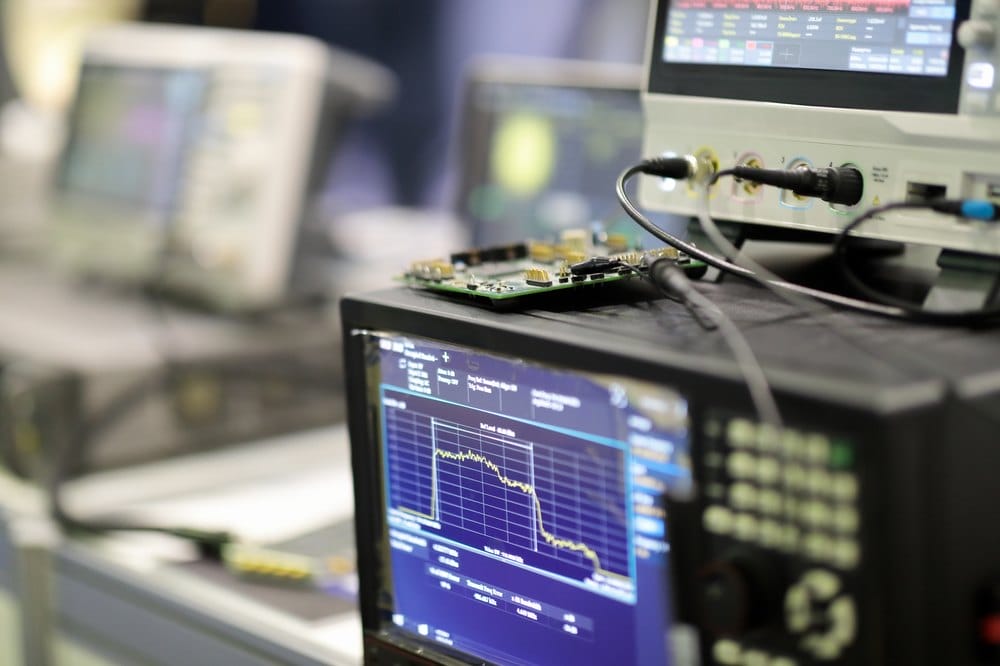
We verify the component performs to specification, building custom test fixtures for specific parts when an off-the-shelf check won’t do.
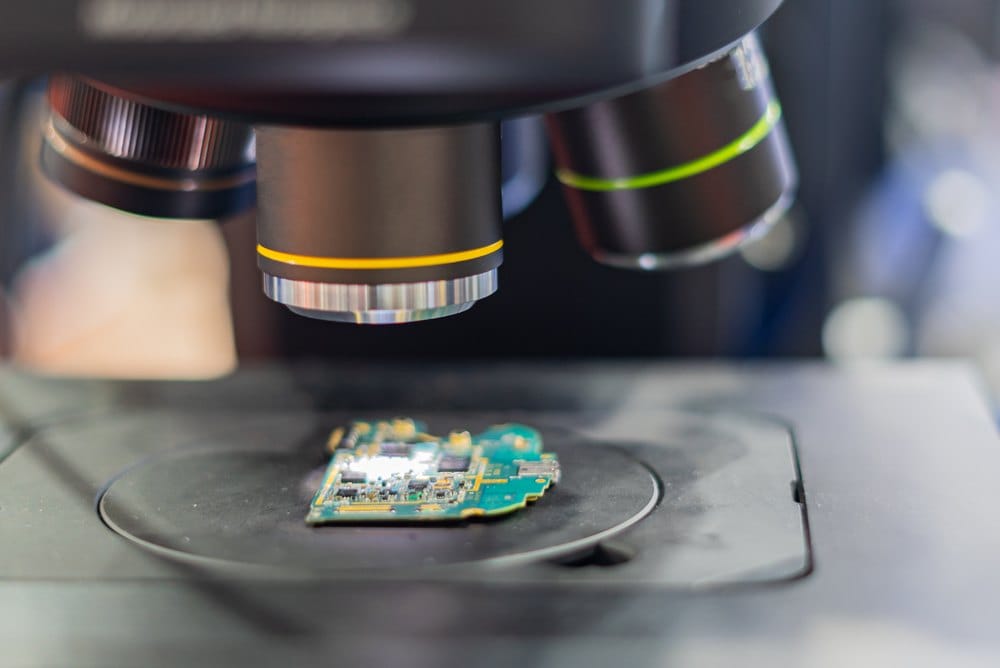
Thermal profiling confirms authentic performance under stress, while microscopic and marking inspection catches the signs of a re-marked or cloned part.

Verified components receive batch certification, giving you documented, defensible proof of authenticity.

Counterfeit mitigation is only worth anything if it holds up under scrutiny. Every authentication we perform is built to be documented, defensible, and repeatable.

From multinational manufacturers to regulated programmes, buyers rely on GID when a counterfeit part simply isn’t an option.
Straight answers to the counterfeit mitigation questions procurement teams and engineers ask most.
It’s the process of verifying that an electronic component is authentic before it enters your supply chain. Rather than trusting a part’s appearance, we test its function, performance, and markings to confirm it’s genuine, and document the result.
Through layered testing: functional testing against specification, thermal profiling to confirm performance under stress, and microscopic and marking inspection to catch cloned or re-marked parts. For high-stakes batches, we add third-party certification.
It’s confirming, through testing and documentation, that a component is the genuine part it’s represented to be, not a counterfeit, clone, or re-marked substitute. It’s the core of what this service delivers.
Obsolete and hard-to-find parts carry the highest counterfeit risk, since they’re the ones buyers struggle to source through normal channels. Any component headed into a system where failure carries real cost is worth verifying.
Yes. When a standard check won’t fully verify a component, we build custom functional test fixtures designed for that specific part, so authentication matches the actual risk.
Yes. Third-party batch certification is available for full-batch authentication, giving you independent, documented proof across an entire order.
Authentication is the safeguard on our sourcing. When we locate hard-to-find components through industrial parts sourcing, counterfeit mitigation is how we confirm what we found is genuine. For the sourcing risk that comes with buying outside authorised channels, our grey market protection service is the complementary safeguard.


