Certified Quality Management
ISO 9001:2015
Independently certified by DNV, ensuring consistent quality across our processes.
[ Trusted Partners ]
30 of 600+


















Our quality assurance process supports consistent sourcing, inspection, and verification for industrial parts and repair solutions.











Companies across manufacturing, energy, transportation, and process industries turn to GID Europe to help keep operations running.
We source from qualified suppliers evaluated through our global supplier database and internal ranking system.

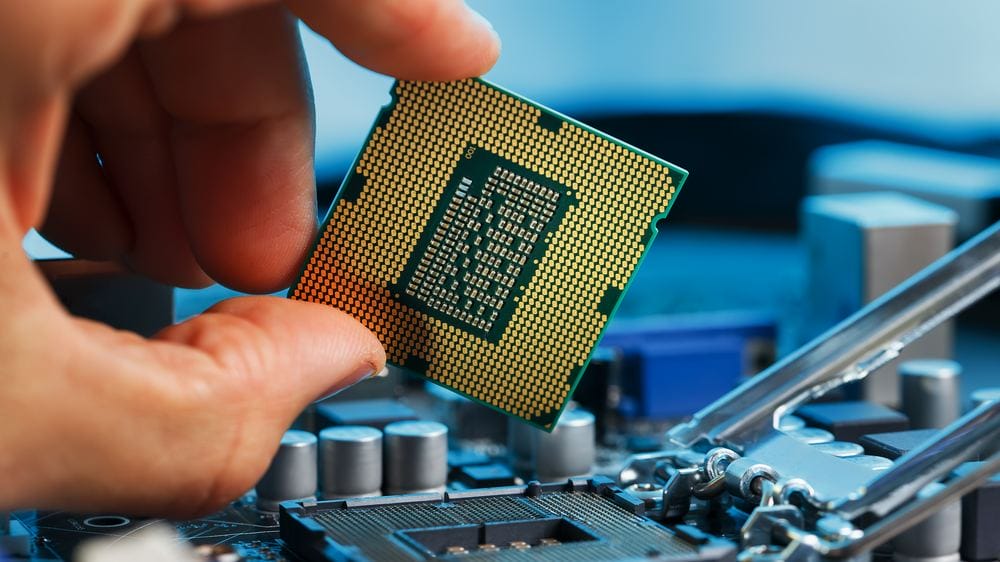
Parts that pass through our facility undergo a detailed inspection before they ship. Functional testing is performed on select products to help verify performance and reduce the risk of grey market or counterfeit parts.
If you face an issue after delivery, our team will investigate the problem and work with you to find the best solution.

Find answers to common questions about our industrial parts quality assurance process, including inspections, testing, certifications, and post-shipment support.
Our quality assurance programme is built on three pillars: supplier vetting, product inspection and testing, and a post-shipment guarantee. Together, they help ensure consistent quality from sourcing through delivery.
Our inspection process reviews product condition, labeling, physical characteristics, and other quality requirements before shipment.
Yes. Parts that pass through our facility are inspected before shipment, whichever supplier they come from.
Yes. DNV certifies our quality management system.
Every product goes through inspection before it leaves our facility. When applicable, we also perform functional testing on select products and thermal testing on a project-by-project basis.
Counterfeit mitigation starts with qualified suppliers and is followed by inspection and quality management processes. Independent third-party batch certification is available as projects require.
Our post-shipment guarantee means we’ll investigate reported issues and work with you to solve the problem.
Suppliers are evaluated using our global supplier database and internal ranking system before becoming part of our sourcing network.
Parts that pass through our facility are inspected before they ship, as part of our industrial parts quality assurance process. Every order, including those shipped directly from a supplier, goes through our supplier vetting and ISO 9001:2015 order process.
Yes. We specialise in sourcing obsolete, discontinued, and hard-to-find industrial components through our global supplier network while following our quality assurance procedures.
Yes. Third-party batch certifications are available for qualifying orders.
It depends on the replacement. Exact replacement parts don’t require recertification. Drop-in replacements or remanufactured solutions may require additional evaluation or recertification.
Industrial parts quality assurance helps reduce sourcing risk by applying consistent quality procedures before shipment.
Yes. Additional inspection, functional testing, or project-specific testing may be available depending on the product and your application requirements. Talk to our team for more details.
Our industrial parts quality assurance programme is managed through an ISO 9001:2015-certified quality management system. Standardised procedures and regular audits help maintain consistency across our quality management system.
Qualified suppliers are the foundation of our quality process because they reduce sourcing risk before components enter our inventory.
Yes. We work with customers across different industries and can discuss quality requirements, available certifications, and inspection options based on your application.
Yes. Every order follows the same quality management procedures, regardless of destination.
Testing is determined by the product, its condition, and your application requirements. Functional testing is performed on select products when applicable.
Inspection requirements remain the same, although additional testing may be performed depending on the product and application.
Yes. Our team can review your inspection, testing, or certification requirements before preparing your quote.
Additional customer-requested inspections or testing may affect processing time. Our team will discuss any changes to lead times before your order is finalized.
A visual appearance alone cannot confirm a component meets quality requirements. Inspection helps identify issues before products are shipped.


